On the Nature of Space
By Eleanor Vance
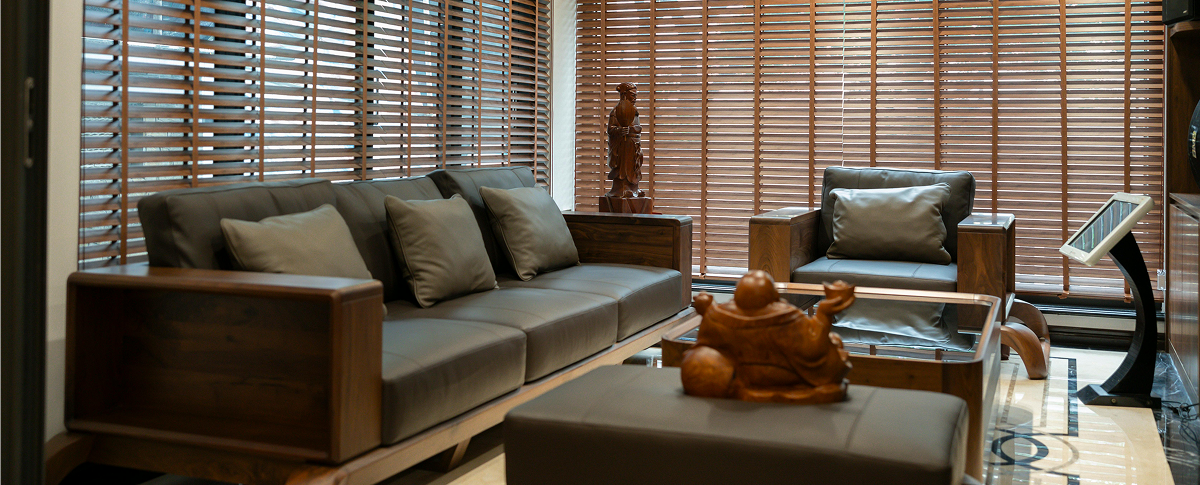
Space is rarely empty. Even the most austere gallery — white walls, polished concrete,
a single shaft of light — is dense with intention. Every threshold has been measured, every
sightline rehearsed. We move through these rooms believing we are free, when in fact we are
reading a script the architect drafted years before we arrived.
This is not a complaint. The best spaces are the ones that conduct us gently, the way a piece of
music conducts the ear. They know when to expand and when to compress, when to reveal and when to
withhold. A corridor that narrows before opening into a double-height room is doing the same work
as a held note before a chord change.
What we have lost, in much contemporary building, is patience. Spaces are asked to perform too
quickly — to be photogenic in the first frame, legible in the first glance. The slow space, the
one that unfolds across minutes and seasons, is harder to commission and harder to defend.
Our work returns, again and again, to that slowness. We design for the second visit, the third,
the tenth. We trust that a wall can hold its silence, that a window can frame the same tree differently
in November than in May. The room is not the event. The room is the instrument.